LINGOCUL- THE BRIDGE TO PERSIAN LANGUAGE AND CULTURE
THE ETIQUETTE OF LOVE IN PERSIAN CULTURE
Expressing Romantic Love
Expressing Passion for Activities
Expressing Romantic Love

In Persian culture, romantic affection has traditionally been expressed more privately than in many Western social settings.
Common customs include:
- Couples may avoid intimate kisses and physical affection during family gatherings or among friends.
- Romantic words and expressions are often shared privately.
- Keeping intimate moments private may reflect modesty, respect, and consideration for others.
These customs vary among individuals, families, and generations.
A Common Romantic Expression
asheghet hastam.
I love you.
Expressing Deep Devotion
Expressing Passion for Activities
Expressing Romantic Love

In Persian, asheghe... hastam can express profound love and devotion toward family members and other loved ones.
Common examples include:
- Expressing deep love for one's family.
- Communicating strong emotional attachment to loved ones.
- Emphasizing the importance of family relationships and emotional bonds.
The expression conveys particularly strong feelings rather than ordinary affection.
Example – Love for Family
asheghe khAnevAde-am hastam.
I love my family.
Expressing Passion for Activities
Expressing Passion for Activities
Expressing Passion for Activities

The expression asheghe... hastam is not limited to love for people. Iranians also use it to communicate strong passion or enthusiasm for activities and personal interests.
Common examples include:
- Sports and recreational activities.
- Hobbies and creative interests.
- Careers and professional pursuits.
In these situations, the expression emphasizes strong enjoyment or passion rather than romantic love.
Example – Love for a Sport
asheghe footbAl hastam.
I love football.
Expressing Everyday Affection
Expressing Love for Nature or Places
Expressing Passion for Activities
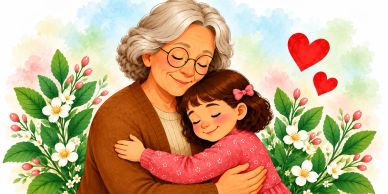
In everyday conversation, Iranians commonly use kheylee doost dAram to express love and affection toward family members and other loved ones.
Common uses include:
- Expressing affection toward parents and grandparents.
- Showing love for children and grandchildren.
- Expressing fondness for relatives and close friends.
Example – Love for a Family Member
man mAdar-bozorgam rA kheylee doost dAram.
I love my grandmother.
(Literally: "I like my grandmother very much.")
Expressing Love for Foods
Expressing Love for Nature or Places
Expressing Love for Nature or Places

Iranians commonly use kheylee doost dAram to express enjoyment of food, drinks, and other everyday preferences.
Common examples include:
- Favorite fruits and vegetables.
- Traditional Persian dishes and desserts.
- Drinks and other favorite foods.
Example – Love for Apples
seeb rA kheylee doost dAram.
I love apples.
Literally: "I like apples very much."
Expressing Love for Nature or Places
Expressing Love for Nature or Places
Expressing Love for Nature or Places

The expression kheylee doost dAram is commonly used to express enjoyment of nature, weather, and places.
Common examples include:
- Seasons and weather conditions.
- Mountains, beaches, and natural landscapes.
- Cities, countries, and favorite destinations.
Example – Love for Cold Weather
man havA-ye sard rA kheylee doost dAram.
I love cold weather.
Literally: "I like cold weather very much."