LINGOCUL- THE BRIDGE TO PERSIAN LANGUAGE AND CULTURE
PERSIAN HOSPITALITY: A CULTURE OF GENEROSITY AND CONNECTION
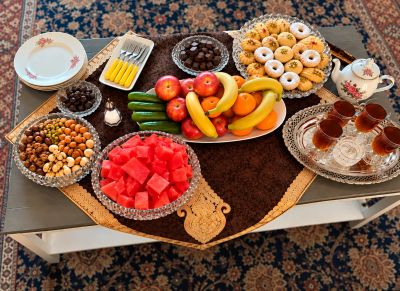
A Ritual of Welcome
Hospitality is one of the most cherished values in Persian culture. Welcoming guests is more than a social custom—it is a meaningful expression of generosity, respect, kindness, and human connection.
The way Iranians welcome and care for their guests is influenced by the occasion, the relationship between the host and guest, and family traditions.
This article introduces common customs of Persian hospitality, from preparing for visitors to offering refreshments and observing social etiquette. Although practices vary among individuals, families, generations, and personal beliefs, hospitality remains an important cultural tradition among Iranians around the world.
Preparing for Guests
Welcoming guests often begins before they arrive. Many Iranian hosts take special care to prepare their homes and create a comfortable atmosphere.
Common preparations include:
- Tidying and organizing the home.
- Brewing fresh Persian tea.
- Preparing a dish of seasonal fruits.
- Arranging pastries, nuts, and other refreshments.
- Creating a warm and welcoming environment.
These preparations reflect the host's care, respect, and appreciation for their guests.
Welcoming Guests with Tea and Refreshments
When guests arrive, they are often welcomed with freshly brewed Persian tea, followed by a selection of refreshments.
Common refreshments include:
- Meeve-ye taaze — Fresh seasonal fruits, such as apples, oranges, grapes, cucumbers, watermelon, and cantaloupe.
- Sheereenee — Persian pastries and sweets, often served with tea.
- Aajeel — A mixture of nuts and sometimes dried fruits, commonly offered during visits and celebrations.
The thoughtful selection and presentation of these refreshments reflect the care that has gone into preparing for the visit.
A Common Hospitality Expression
Taarof nakoneen, befarmaa-een.
Please don't stand on ceremony; please help yourself.
Iranian hosts often use this expression to encourage guests to enjoy the food and refreshments being offered.
This phrase reflects Taarof, a Persian social custom involving politeness, courtesy, generosity, and respect.
Hosts may repeat their invitations to make guests feel welcome, while guests may initially decline out of politeness.
Understanding this exchange can help visitors feel more comfortable during social gatherings.
Visiting an Iranian Home
If you are invited to an Iranian home, understanding a few common customs can help you feel more comfortable and show respect for your hosts.
Common customs include:
- Removing shoes: Many Iranian families remove their shoes before entering the home to maintain cleanliness. Among practicing Muslim families, religious values concerning cleanliness may also influence this practice. Customs vary, particularly among Iranians living abroad. If unsure, politely ask your host whether you should remove your shoes.
- Accepting repeated offers: Hosts may encourage guests more than once to enjoy food or refreshments. Repeating an offer is often a traditional expression of generosity and hospitality.
- Sharing tea: Accepting a cup of tea is usually appreciated, even if you drink only a small amount. Tea often accompanies conversation and social connection.
- Bringing a small gift: Guests are generally not required to bring a gift for an ordinary visit. However, flowers, pastries, chocolates, or fruit can be thoughtful gestures, especially when visiting someone's home for the first time or attending a special occasion.